Follow-ups on Women Cooperatives in Coffee and Tea Entrepreneurship
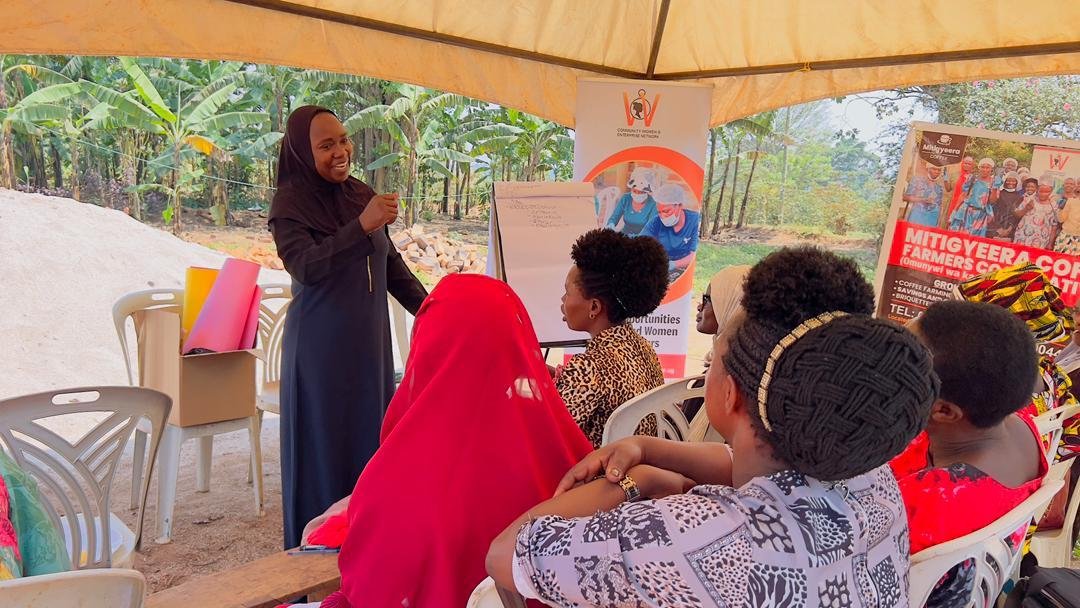
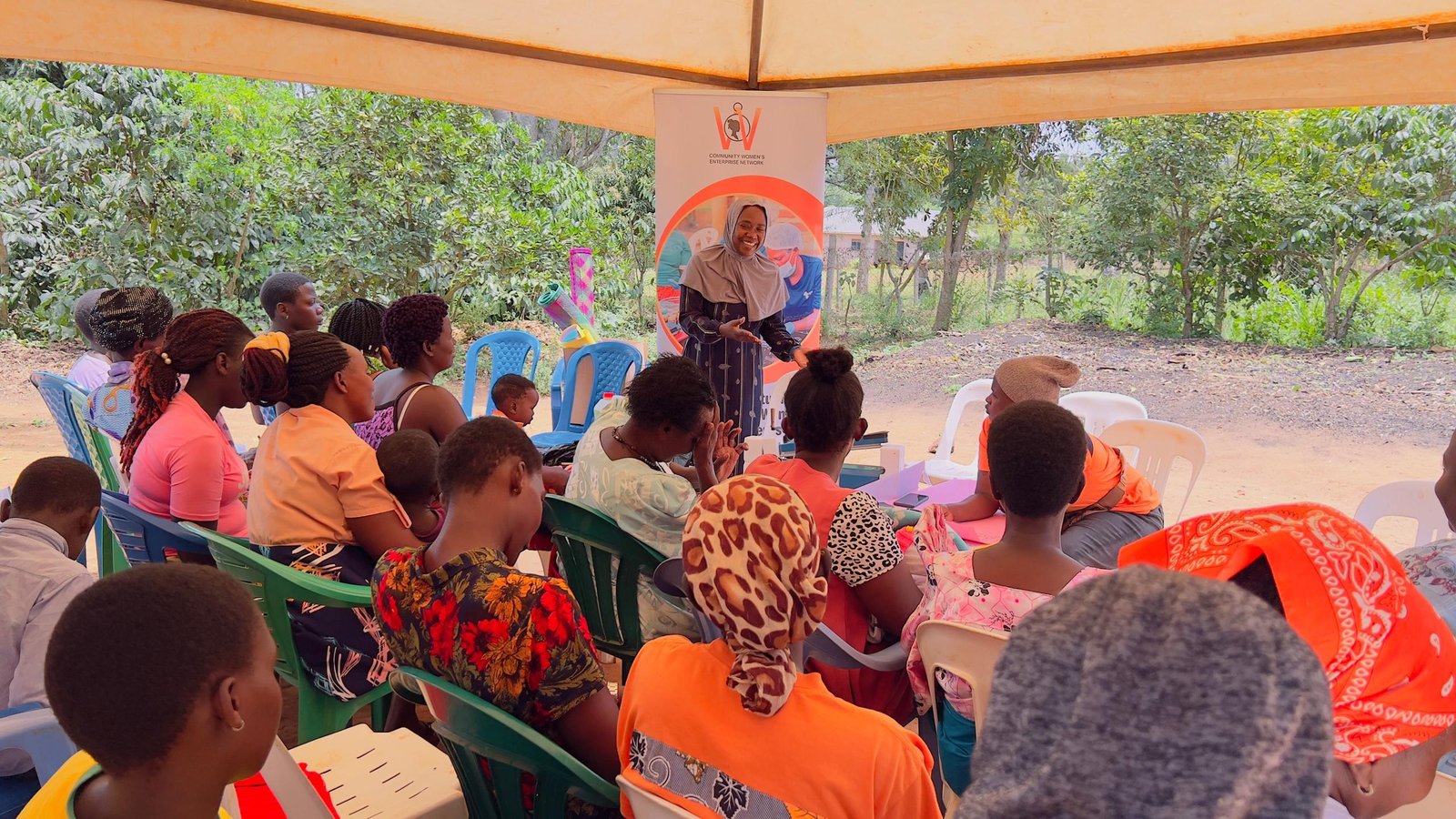
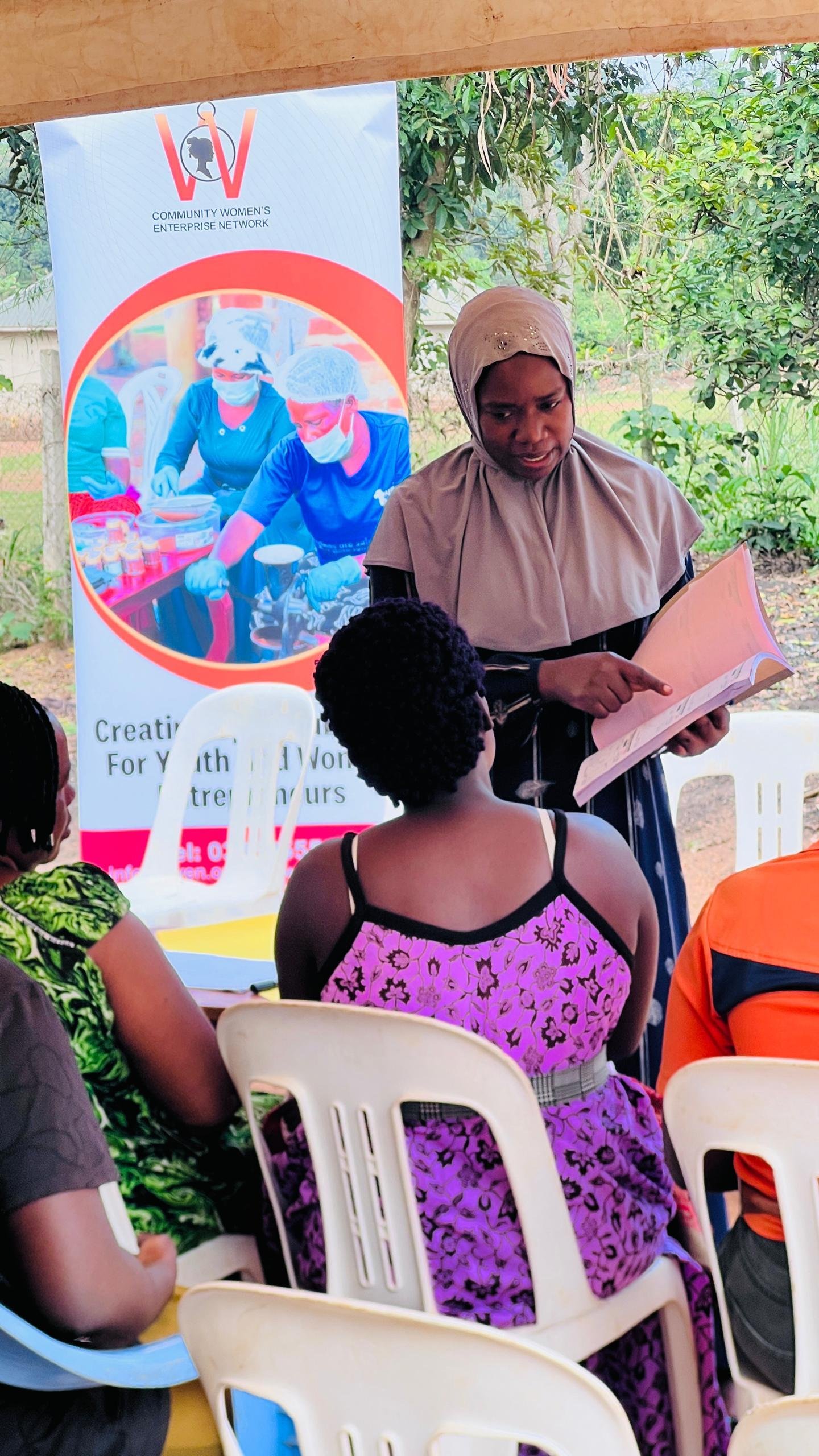
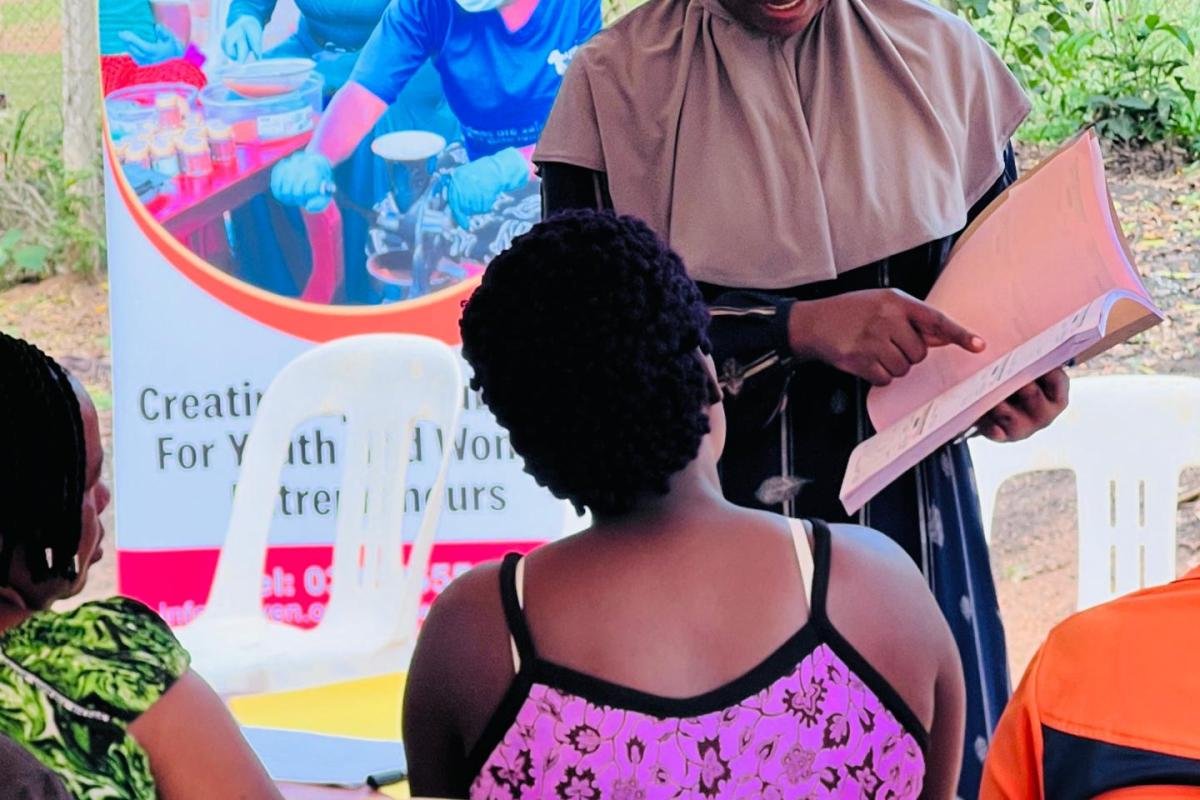
My team at CWEN and I traveled from our Kampala office across Mpigi, Butambala, Bukomansimbi, Masaka, Buikwe, and Mityana. There, we visited seven farmer groups, mostly women and girls, that our project “Expanding Entrepreneurial Capacity for Women in Tea and Coffee” had previously supported. What we found was both humbling and heartening.
Last week, from the 1st to the 7th of September 2025, my team at CWEN and I traveled from our Kampala office across Mpigi, Butambala, Bukomansimbi, Masaka, Buikwe, and Mityana. There, we visited seven farmer groups, mostly women and girls, that our project “Expanding Entrepreneurial Capacity for Women in Tea and Coffee” had previously supported. What we found was both humbling and heartening. These groups, which are roughly 90 to 95 percent female, had in many cases been stuck at early stages: no formal registration, weak leadership, disunity, poor saving habits, and, among those dealing in coffee, low standards in sustainable cultivation and virtually no processing of their coffee to increase value. Their revenues were far below what could lift them above poverty even as coffee remains one of Uganda’s leading exports. But the strengths we saw commitment, potential, a desire to learn are what make change not only possible but already underway.
Before the Mentorship
We had known before going into the field that many groups had earlier lacked registration. What we also saw was how that lack of formal structure crept into every weakness: unclear roles, leadership contested from within, savings dropped abruptly, investments doubted, and an overall lack of accountability when things went wrong.
Leadership & Governance Weaknesses: Some groups had earlier no clear chairperson or secretary; decisions were made by whoever spoke loudest. Disputes over funds went unresolved, trust was eroded.
Saving vs. Commitment: Almost all groups had some saving practice. But “saving” was often irregular. Some members saved nothing for weeks, others felt entitled to withdraw whenever something else came up. The habit existed but the discipline was weak.
Agricultural Practices: Of the seven groups, five were in coffee. Most did not practice sustainable growing: shade management was poor, pruning seldom done, and disease or pests ignored or mismanaged. Harvesting was inconsistent overripe cherries mixed with underripe ones and post-harvest handling was rudimentary.
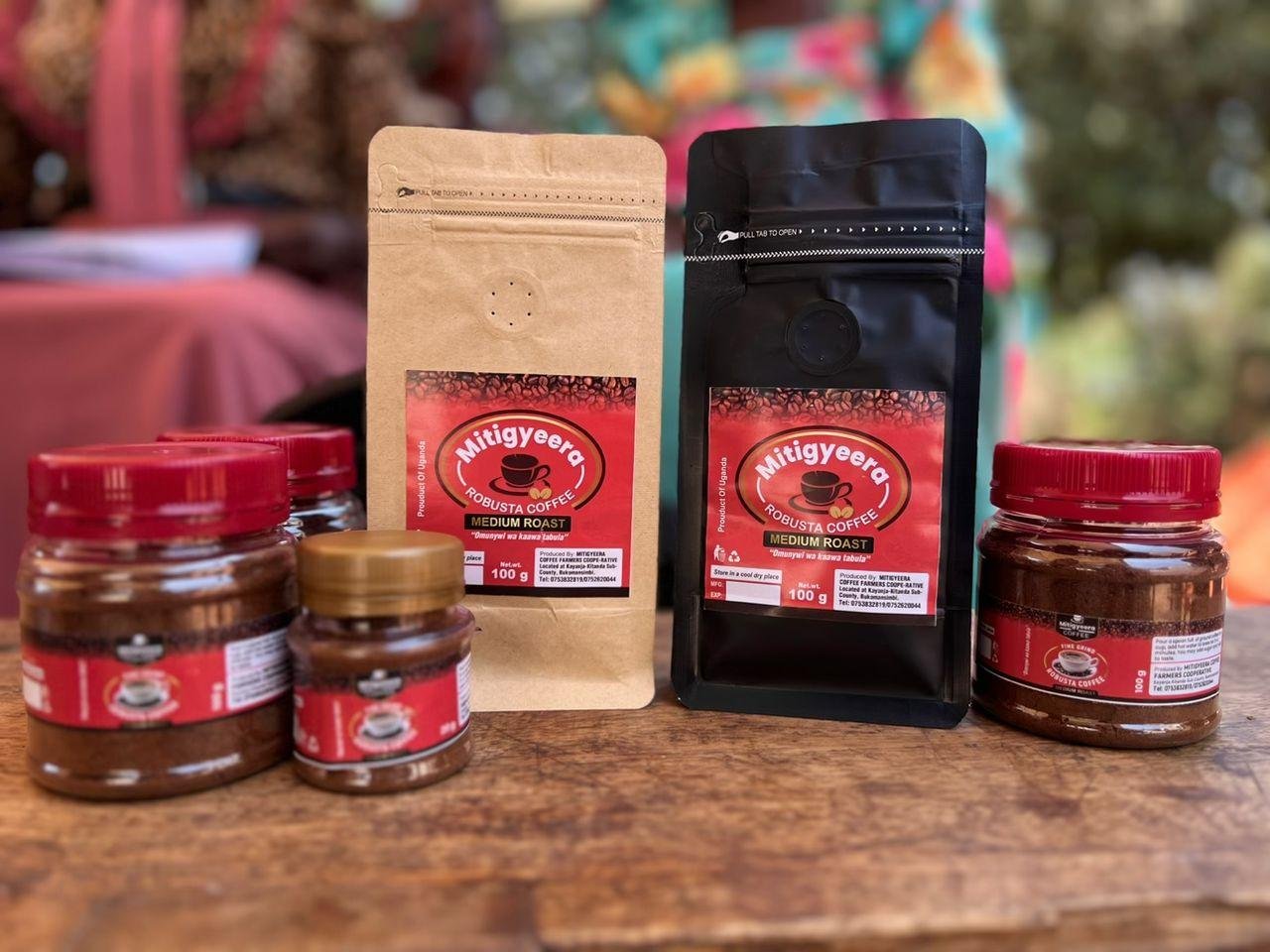
Lack of Value Addition: Very few groups engaged in processing beyond drying. Grade sorting, roasting, grinding, branding, these were almost absent. That meant selling raw beans at low prices, instead of creating more income through value chain stages.
Yet, amid these gaps, we saw the seeds of transformation. Some groups had begun to act beyond what we’d taught them. Others were experimenting, innovating, taking small risks. The motivation was there.
Why this Project by CWEN?
To understand why what these women are doing matters so deeply, we must look at broader numbers and systems. Uganda produces roughly 6.7 million 60-kg bags of coffee in the 2024/2025 marketing year. Of that, about 85% is Robusta and 15% Arabica. In the year ending May 2025, Uganda exported approximately 7.43 million bags, earning about US$2.09 billion. Tea production is also substantial. In 2022 Uganda produced over 80,000 metric tons of tea. Domestic consumption is relatively low compared to the volumes produced for export.
In terms of tea consumption per person, Uganda is moderate: about 0.4kg per capita annually, which is below the global averages in many tea-drinking countries. Buganda region (where all our groups are) is a powerhouse in Robusta coffee production. It contributes a large share of Uganda’s Robusta output. These statistics show a tension: Uganda has strong production and export capacities, but domestic value capture and local farmer income could improve significantly if value addition, quality, and business practices are strengthened.
What Progress Looked Like Among the Groups
In Mityana, for example, the tea groups surprised me. They had improved processing: better drying, cleaner leaves, more consistency. They were producing branded tea products of a quality that could sell in local markets. One of them had created a package that not only looked nicer but also used better storage material. They had begun experimenting with small secondary products, e.g. pest-cides.
In Bukomansimbi, one group got themselves a slot at the CBS Pewosa Exhibitions in Masaka just this very week. They weren’t just going to exhibit, they had developed pitch materials, samples, even the support of one of their local council leaders. That was beyond what we had explicitly taught. That group had taken the initiative to think like entrepreneurs.
Portfolio expansion showed up in unexpected places: some groups were weaving, others were producing charcoal briquettes; others made bar soap or liquid soap. This was not just side business, these were attempts to diversify incomes, buffer risks, and invest in collective group strength.
The behavior around savings began to shift. More regular contributions, clearer savings agreements, and some groups held each other more accountable. Commitments that were previously wavering now had more consistency.
Why What We’re Doing Needs Even More Support
I believe firmly that empowering women and girls in these agricultural value chains is not just a matter of fairness or feminism in its simplest form. It is structural transformation. Here’s why investing in what we are doing will repay manyfold:
Income Multiplier Through Value Addition. When farmers process, grade, roast, package, brand, they move up the value chain. Instead of being price takers for raw beans, they become value creators. That multiplies revenue, reduces waste, improves bargaining power.
Resilience via Diversification. Relying solely on one crop exposes farmers to climate shocks, price crashes, pests. When groups can make soap, briquettes, weaving, these side businesses spread risk. They provide income in lean months. They often need lower capital or simpler inputs.
Leadership Builds Sustainability. Formal registration, transparent governance, strong leadership training, all reduce the risks of group collapse, mismanagement, or internal conflict. Groups with strong internal systems are more likely to weather challenges like drought, disease, or market changes.
Gender Equity Is Economic Growth. When women earn more, control more of the earnings from the value chain, they tend to reinvest in health, education, community – feeding back into stronger social structures. It is true feminism: not just asserting rights but enabling capability. Everyone benefits – families, communities, economy.
National Impact. Uganda already earns over US$2 billion from coffee exports; tea is a key export too. But much of that wealth does not remain at the producer level. If many more groups improved quality, practiced sustainable growing, processed more locally, revenues per farmer would rise; poverty would reduce; opportunities in rural areas would grow. This bolsters national income, reduces inequalities, creates local jobs.
Why Harvest, Processing, and Quality Are Not Optional Extras
Let me lay out why each technical piece we taught, harvesting properly, sorting, roasting, grading is not just “nice to have,” but essential.
Harvest timing and cherry uniformity: If you pick underripe and overripe cherries together, fermentation happens unevenly, sugar content is off, flavor suffers. Buyers pay a premium for uniform, well-ripened beans.
Sorting, grading, avoiding fermentation: After harvest, if cherries are allowed to ferment unintentionally (for example, left too long before pulping), undesirable chemical changes occur. This can produce off-flavors; worse, some compounds might exacerbate health issues (e.g. for those with hypertension). Clean sorting removes defective or moldy cherries; grading helps you command higher prices.
Roasting and brand formulation: Roasting isn’t just heat; it’s profile. Light roast, medium, dark—each brings out different aromatic compounds. A well-roasted coffee that matches a brand profile (nutty, fruity, chocolatey etc.) sells better, builds loyalty. If you can make multiple brands, you serve more markets.
Processing machines (for grinding, pulping etc.): When we donated that hand-rolled grinding machine, it was more than a piece of hardware. It represented control over the stage that often eats margins. Without processing, farmers lose out on value; buyers may reject or downgrade raw beans because of moisture or foreign matter. Processing adds cost, yes; but the value added often exceeds costs if quality is good.
We didn’t just talk about better coffee and tea plus the diversified sources of revenue, we taught business economics: unit costing, record-keeping, treating their own labor as cost, treating donations or grants as investments they'd account for, projecting revenues and deciding when to reinvest.
Groups began to open books. They began to calculate: how much time each member spends; what's cost of fertilizer, labor, drying; what price raw bean vs processed gives; what margins look like. Some of these concepts felt hard at first “costs” beyond seeds and labor didn’t seem visible. But once they saw how non-counted costs reduced real profit, many adapted.
From Where We Started to Where We Are
When we first visited these groups, many were stalled at “step one”. Week after week, meetings were irregular. Some groups had lost members due to mismanaged funds. The idea of formalizing was distant. The idea of processing, branding, diversifying revenue was vague.
By last week, I could confidently say most groups had moved at least four or five steps ahead: some formalized their group registration; others developed by-laws; some started processing their coffee; some added multiple revenue streams. The tea groups in Mityana produced high quality tea; the Bukomansimbi group prepared for exhibitions; the women in Masaka had extra products we had not even directly taught. There are still gaps leadership training remains uneven; saving discipline is improving but not everywhere; value addition is growing but not full scale yet but movement is unmistakable.
The Bigger Picture
When you look at Uganda’s statistics coffee production rising, huge foreign exchange earnings, dominance in Robusta, increasing Arabica interest you see potential. But potential isn’t enough unless the farmers who are doing the work capture more of the benefits. What we are built with these women is replicable: better farming practices, local processing, strong group governance, diversified income sources. If more groups did this, with similar mentoring and support, the cumulative impact could be enormous: more stable incomes, fewer people below poverty lines, better healthcare and education for children, empowered women who also shape local policy, markets, and culture.
Also, in a global market increasingly interested in sustainability, specialty coffee, traceability, fairness these groups are positioned to benefit. Consumers abroad will pay more for well-certified, well-processed, ethically sourced coffee and tea. These women can tap into those markets if they maintain quality, documentation, proper processing, branding.
I see a path forward: where what started as “how can we teach basic things” becomes “how can we scale this, replicate this, and make sure these women keep leading.” A path where the difference between being near the national poverty line or above it is made by things like disciplined savings, strong governance, clean processing, and value addition. In that light, when I reflect on the week from one coopersative we mentored to the other, it does more than encourage me it confirms that what we set out to do is not just worthwhile; it is necessary. And as long as commitment persists, as long as training keeps matching need, as long as resources are allocated fairly, then the story that began weak but hopeful is becoming one of strength, dignity, and real economic power.